
Creating a productive home office space is essential for anyone working remotely or managing tasks from home. A well-organized and comfortable environment can improve focus, reduce distractions, and enhance overall work quality. In this post, we’ll explore practical tips to help you design a home office that supports productivity and well-being.
Choose the Right Location
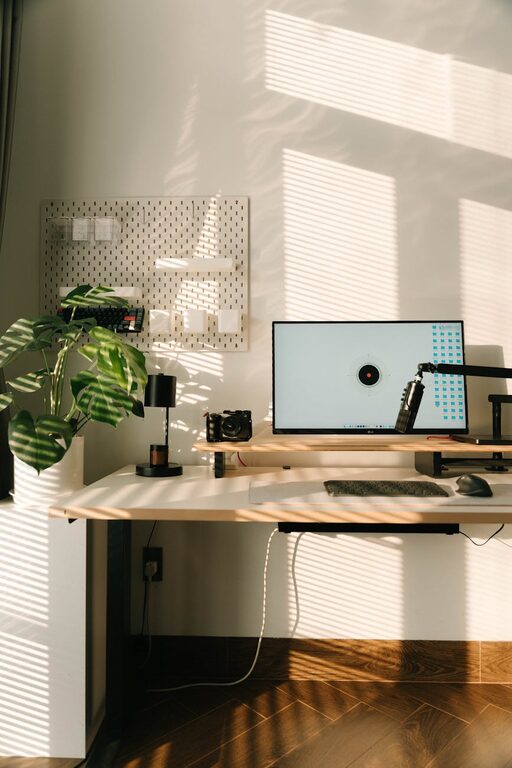
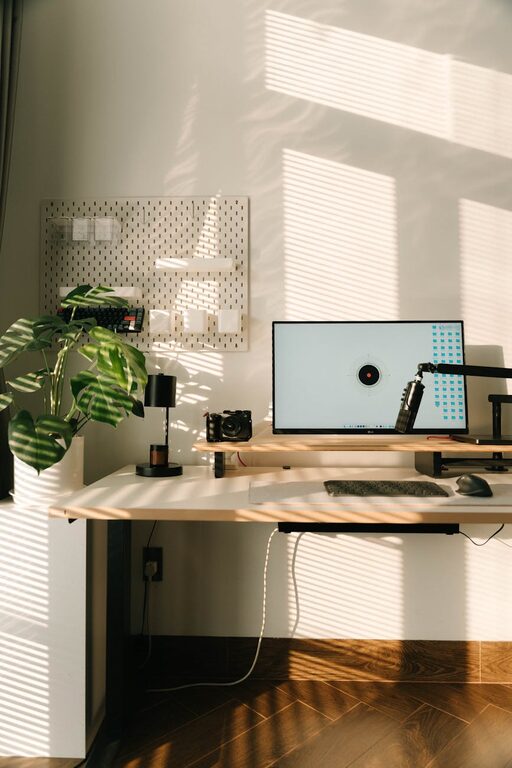
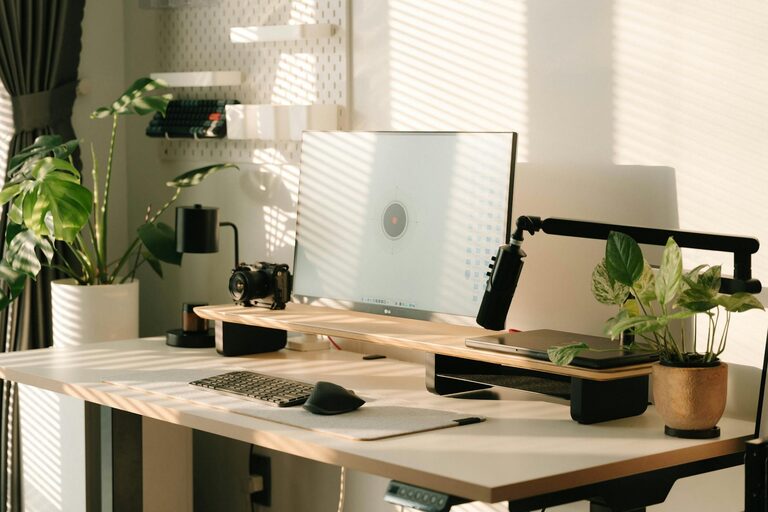
The first step in setting up a productive home office is selecting an appropriate location. Ideally, look for a quiet area away from high-traffic parts of your home. This helps minimize interruptions and noise. If possible, pick a space with natural light, as it can boost mood and energy.
Consider These Factors:
– Privacy to limit disruptions
– Good lighting, preferably natural light
– Enough room for your desk and equipment
– Ventilation and comfortable temperature
If space is limited, you can create a dedicated work nook in a corner or use room dividers to separate the work area from living spaces.
Invest in Comfortable and Functional Furniture
Comfort is key to maintaining productivity, especially during long work sessions. Choose ergonomic furniture that supports good posture and reduces strain.
Essentials Include:
– Adjustable chair with lumbar support
– Desk at a comfortable height
– Monitor stand to keep screen eye-level
– Enough surface area for your computer, documents, and other tools
A standing desk or sit-stand converter can offer variety and prevent physical stiffness.
Organize Your Workspace Efficiently
An organized workspace minimizes distractions and helps you maintain focus. Clutter can cause stress and reduce efficiency.
Tips for Organization:
– Use storage solutions like shelves, drawers, and filing cabinets
– Keep frequently used items within reach
– Use cable organizers to manage cords
– Declutter regularly to keep your space tidy
Incorporate organizers such as desk trays or containers to separate different types of supplies.
Optimize Lighting
Lighting directly affects your ability to concentrate and avoid eye strain. While natural light is ideal, supplement it with good quality artificial lighting.
Lighting Suggestions:
– Position your desk near a window when possible
– Use adjustable desk lamps with warm or neutral light
– Avoid harsh overhead fluorescent lighting
– Consider anti-glare screens for monitors
Proper lighting reduces fatigue and makes your workspace inviting.
Minimize Distractions
Home environments come with unique distractions. Identifying and managing these can help create a focused work atmosphere.
Strategies to Reduce Distractions:
– Use noise-canceling headphones or background music
– Set clear boundaries with family or housemates during work hours
– Turn off non-work-related notifications on devices
– Create a consistent daily routine to build focus
Communicating your work schedule with others in your home fosters respect for your work time.
Personalize Your Space
A workspace that feels pleasant and inspiring can enhance motivation. Personal touches add comfort without overwhelming the setup.
Ideas to Personalize:
– Add plants for a touch of greenery and improved air quality
– Display a few favorite photos or artwork
– Choose colors and décor that calm and energize you
– Use a comfortable rug or cushions for added coziness
Keep personalization balanced to avoid clutter.
Maintain Good Technology Setup
Reliable technology is a backbone for remote work productivity. Ensure your internet connection and devices support your daily tasks without interruptions.
Technology Tips:
– Invest in a fast and stable internet connection
– Use wireless peripherals to reduce cable clutter
– Regularly update software and maintain your devices
– Back up your work frequently to avoid data loss
Having technical tools ready and reliable saves time and reduces frustration.
Take Breaks and Move Around
Even the best workspace won’t make up for the health benefits of regular breaks. Moving around helps recharge both mind and body.
Healthy Habits:
– Follow the 20-20-20 rule: every 20 minutes, look at something 20 feet away for 20 seconds
– Stand up and stretch or walk around every hour
– Use break times for hydration and healthy snacks
Integrating movement into your day supports long-term physical and mental health.
Keep Your Work-Life Balance in Check
A dedicated office space helps separate work from home life. When your workday ends, step away from your office to maintain a healthy balance.
Tips for Work-Life Balance:
– Set clear work hours and stick to them
– Avoid working from bed or other relaxing areas
– Close the office door or put items away after work
– Schedule time for hobbies and social activities
Balancing work and personal life fosters sustainability in your remote work routine.
—
By thoughtfully creating your home office, you cultivate an environment that supports productivity and well-being. Focus on comfort, organization, lighting, and minimizing distractions to design a space where you can work efficiently and feel good doing it.