
Creating a relaxing home workspace is essential for staying productive and focused, especially when working remotely. A thoughtfully designed area can reduce stress, inspire creativity, and keep distractions to a minimum. Whether you have a dedicated room or just a small corner, the right setup can make a big difference in how you work. Here are some helpful tips to craft a comfortable, relaxing home workspace that supports your productivity.
Choose the Right Location
Finding the best spot for your home workspace is the first step. Ideally, this should be a quiet area with minimal foot traffic. If possible, avoid spaces associated with relaxation or entertainment, like your bedroom or living room couch. Instead, aim for a space that feels separate and designated for work.
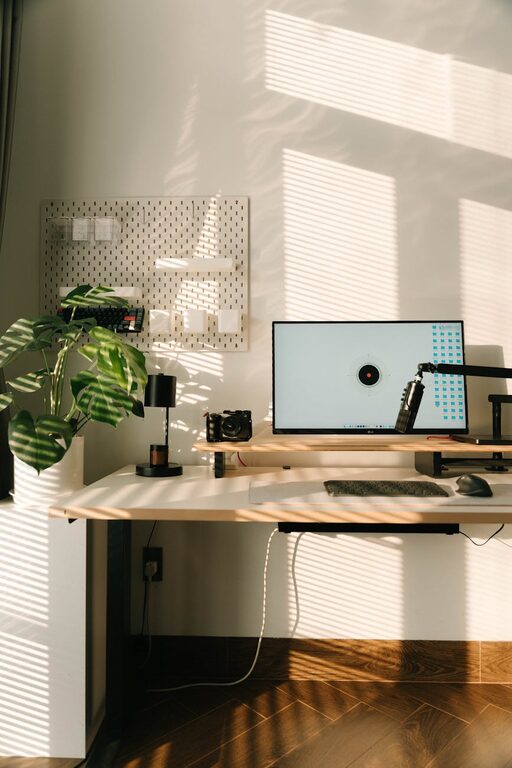
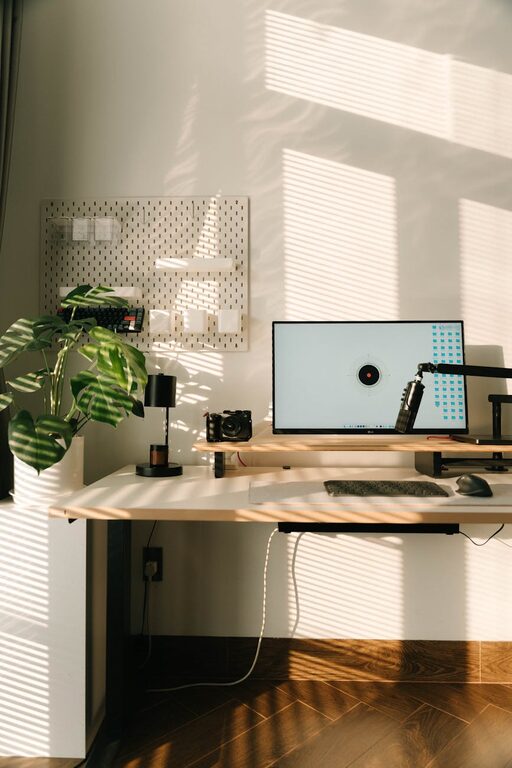
– Natural Light: Pick a location near a window to take advantage of natural light. Sunlight boosts mood and energy, helping you stay alert.
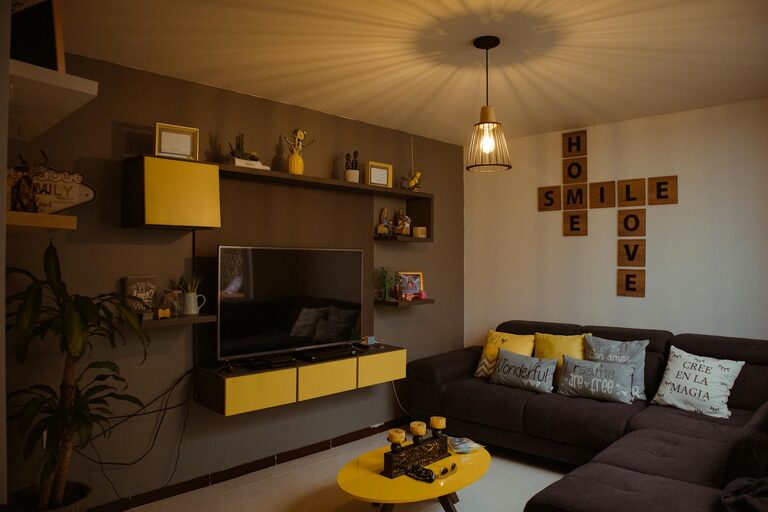
– Away from Distractions: Find a spot that’s away from the TV, kitchen, or noisy areas to maintain concentration.
Invest in Comfortable Furniture
Comfort is key to staying productive. Sitting at a desk or table that supports good posture prevents aches and helps keep your mind focused.
– Ergonomic Chair: Choose a chair with good lumbar support and adjustable height to fit your body.
– Desk Height: Ensure your desk height allows your arms to rest comfortably at a 90-degree angle while typing.
– Footrest: If your feet don’t rest flat on the floor, consider a footrest to maintain proper posture.
Simplify and Organize Your Space
Clutter can quickly lead to mental clutter. Keeping your workspace tidy and organized helps create a calm environment that allows you to focus.
– Declutter: Regularly clear away unnecessary papers, cables, and items.
– Storage Solutions: Use shelves, drawers, or organizers to keep supplies within reach but out of sight.
– Minimal Decor: Keep decorations simple and inspiring without overwhelming the space.
Incorporate Calming Colors and Decor
Colors influence our mood and productivity. Soft, calming colors are ideal for promoting relaxation and focus in your workspace.
– Suggested Colors: Light blues, greens, soft grays, or beige tones create a serene atmosphere.
– Plants: Adding greenery not only beautifies the area but can also reduce stress and improve air quality.
– Personal Touch: Include a few personal items like photos or artwork to make the space inviting.
Control Lighting
Proper lighting reduces eye strain and boosts alertness throughout the day.
– Natural Lighting: As mentioned, maximize natural light during daytime hours.
– Task Lighting: Use adjustable desk lamps to illuminate your work area without creating glare.
– Avoid Harsh Lights: Soft, warm LED bulbs are preferable to harsh fluorescent lighting.
Minimize Noise and Distractions
Noise can disrupt concentration, but some ambient sounds or silence help many people focus better.
– Noise-Canceling Headphones: These are useful for blocking out distracting sounds.
– Soothing Sounds: Consider playing gentle instrumental music or white noise if complete silence feels unsettling.
– Set Boundaries: Inform household members about your work hours to minimize interruptions.
Use Technology Wisely
Technology is a great tool, but it can also be distracting if not managed carefully.
– Organize Your Devices: Keep cords and gadgets neat with cable organizers.
– Limit Notifications: Turn off non-essential notifications on your computer and phone during work hours.
– Use Productivity Apps: Task managers, timers, or focus apps can help maintain your workflow.
Create a Routine and Break Area
Having a routine and a separate space for breaks can help maintain balance during your workday.
– Set Work Hours: Define clear start and end times for work to separate professional and personal life.
– Designate Break Space: Step away from your workspace for breaks, ideally into a comfortable chair or outdoors if possible.
– Stretch and Move: Incorporate brief stretching or movement during breaks to refresh your body and mind.
Keep Air Fresh and Comfortable
A comfortable workspace also depends on good air quality and temperature.
– Ventilation: Open windows regularly or use a fan to keep air circulating.
– Plants: Some indoor plants can improve air quality naturally.
– Temperature Control: Adjust heating or cooling to maintain a comfortable temperature.
Final Thoughts
A relaxing home workspace takes intentional effort but pays off by enhancing your productivity and well-being. By considering your location, furniture, organization, lighting, and atmosphere, you can create a space that feels both calm and energizing. Experiment with these tips and adapt them to your personal preferences for a workspace where you can truly focus and thrive.