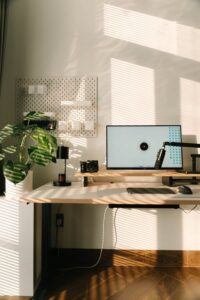

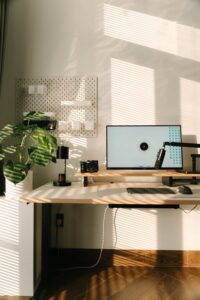

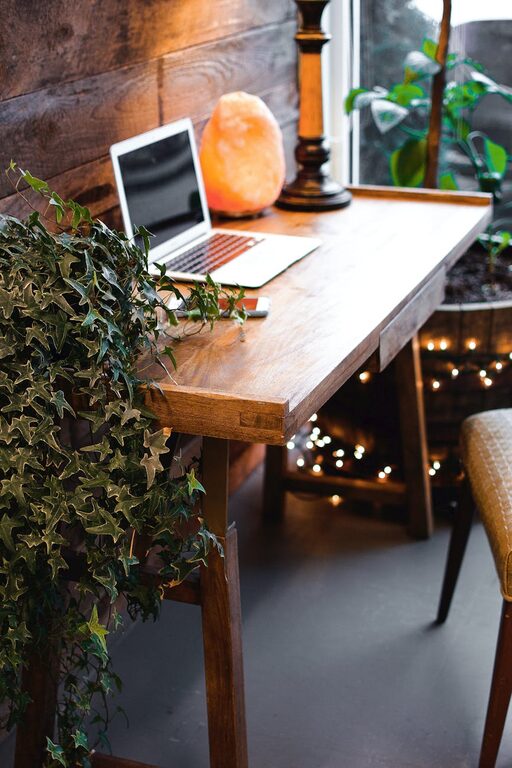
Creating a cozy and inviting home office space is essential for anyone who spends significant time working from home. A well-designed workspace not only enhances productivity but also makes your daily routine more enjoyable and less stressful. Whether you have a dedicated room or a small corner, these tips will help you craft an environment that feels warm, welcoming, and perfectly suited to your needs.
Choosing the Right Location
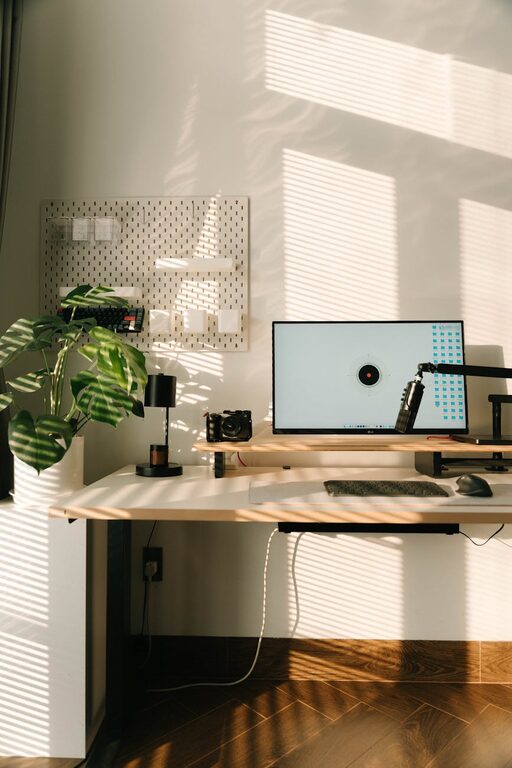
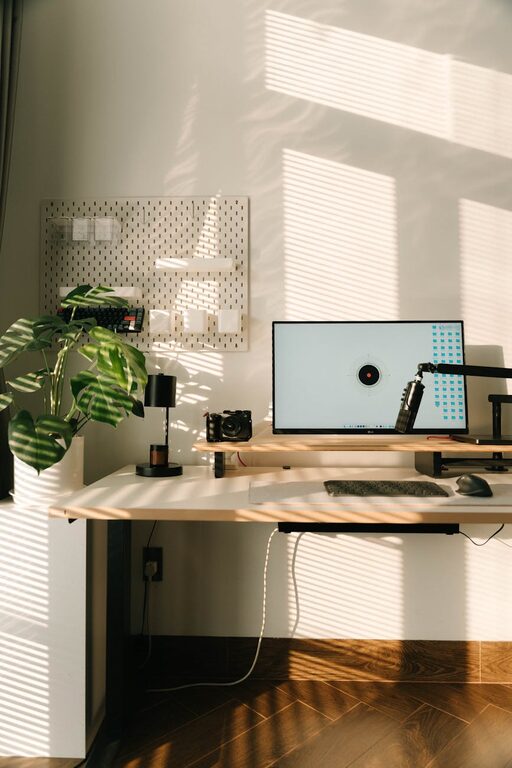
Selecting the best spot for your home office lays the foundation for everything else. If possible, pick a quiet area that receives natural light. Natural light can boost your mood and energy levels, making it easier to stay focused throughout the day.
If you don’t have a separate room available, consider a corner in your living room or bedroom. Use a screen or bookshelf as a divider to create a sense of separation, which helps your brain switch into work mode. Keep distractions to a minimum by positioning your desk away from noisy areas or high-traffic zones.
Focus on Comfort
Comfort is key when setting up a home office that you want to spend time in. Invest in a high-quality ergonomic chair—one that supports your back and promotes good posture. This can prevent discomfort and enhance long-term health.
Your desk height should be correct for your body, allowing your arms to rest comfortably while typing. Don’t forget a good keyboard and mouse that reduce strain on your wrists.
Consider adding soft elements like a cozy rug underfoot or a cushioned seat for breaks. Adjustable lighting is also important; desk lamps with warm bulbs can reduce eye strain and create a more inviting atmosphere.
Optimize Lighting
Good lighting impacts both your productivity and mood. Aim to maximize natural light by positioning your desk near a window. When natural light isn’t enough, use layers of lighting including ambient, task, and accent lights.
A bright overhead light combined with a focused desk lamp will keep your workspace well-lit without harsh shadows. If you work late at night or early mornings, consider using bulbs with adjustable brightness or color temperature to reduce eye fatigue.
Organize Efficiently
A cluttered workspace can quickly become stressful. Keeping your office organized is crucial to maintaining focus and feeling calm.
Use storage solutions like shelves, drawers, and filing cabinets to keep papers, books, and supplies tidy. Desktop organizers can keep everyday essentials within reach while reducing mess.
Regularly declutter your space by removing items you no longer need. Labeling boxes and files can save time and reduce frustration when looking for documents.
Personalize Your Space
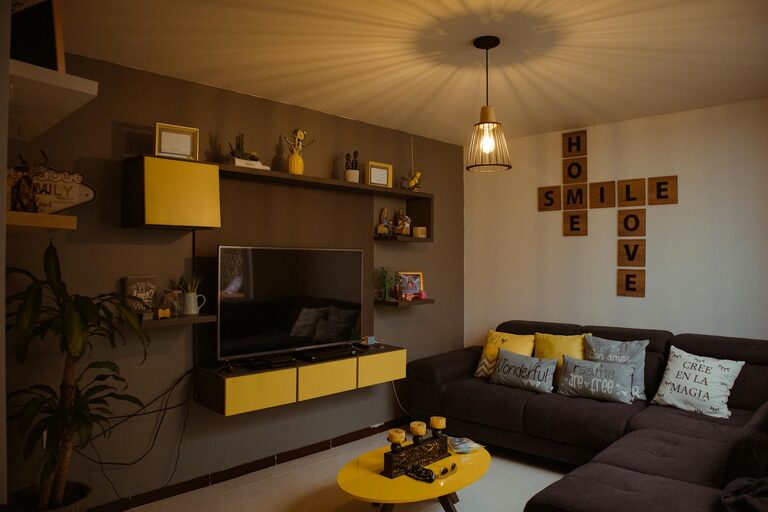
Adding personal touches makes your home office feel uniquely yours and more inviting. Choose art prints, plants, or meaningful decor that inspires you.
Plants are particularly beneficial—they add color, freshen the air, and have been linked to reduced stress levels. Pick low-maintenance options like succulents or pothos if you don’t have a green thumb.
Bring in textures that make the space cozy, such as a soft throw blanket or cushions. Even small changes like colorful stationery or a favorite mug can brighten your workday.
Incorporate Technology Thoughtfully
Modern home offices often rely on technology. Make sure your gadgets and accessories are organized and positioned for easy use.
Cable management tools can keep cords untangled and your desk looking neat. Invest in a reliable internet connection to avoid interruptions during video calls and tasks.
Ergonomic accessories such as adjustable laptop stands or external monitors can improve comfort and productivity.
Create Zones for Different Activities
If your home office doubles as a creative space or meeting area, consider dividing it into zones. For example, a primary desk for focused work, a comfortable chair for reading or brainstorming, and a small table for collaborative tasks or crafts.
Clear zoning helps keep your workspace organized and adaptable to different needs throughout the day.
Set Boundaries and Routine
Finally, establishing clear boundaries around your home office time is important to avoid burnout. When possible, close the door or mark the area as a dedicated work zone.
Create a daily routine that includes regular breaks to stand, stretch, or take a short walk. Adding small rituals like brewing your favorite tea at the start of the day can signal it’s time to focus.
—
Transforming your home office into a cozy and inviting space can greatly improve your work experience. By focusing on comfort, good lighting, organization, and personal touches, you can build a workspace that is both productive and pleasant to spend time in. Remember, the best home office is one tailored to your style and needs—so start small and adjust as you go!